
After months of “what happened to Tulum?” headlines, the municipality and Zamna Group are pushing a year-round events strategy and a tourism trust to reduce seasonality and reset the narrative.
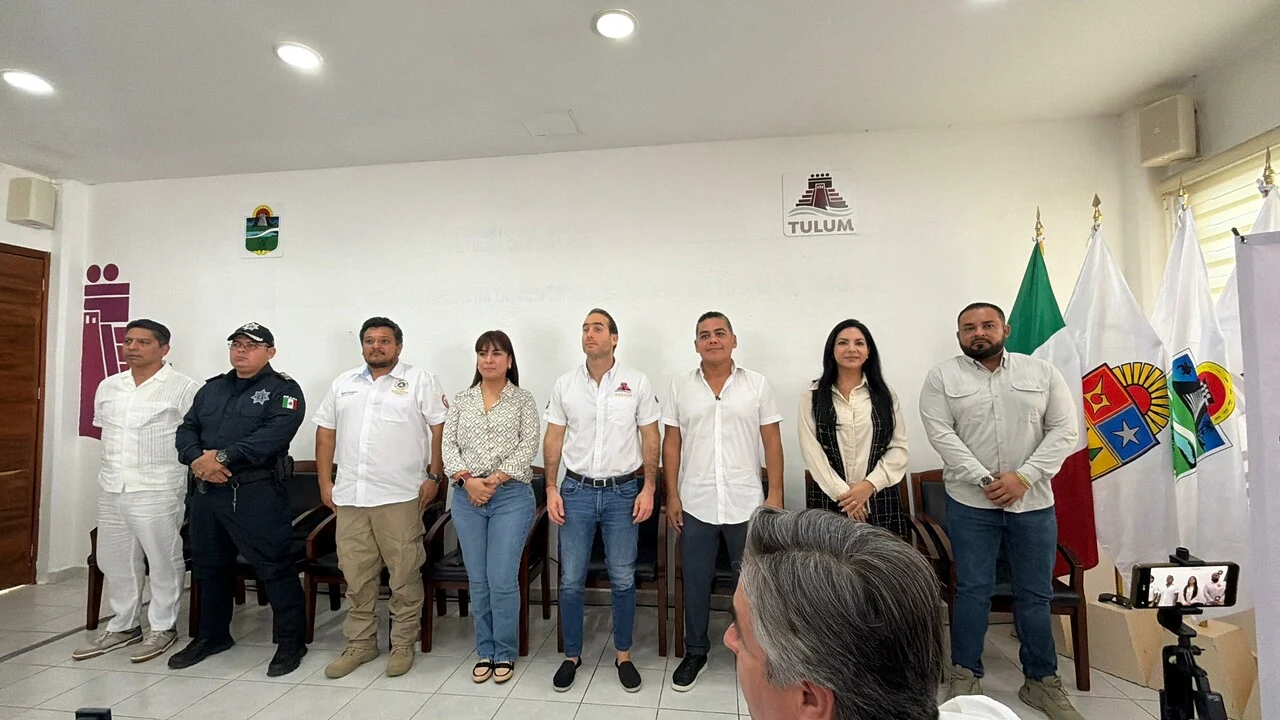
Tulum went from darling of the Mexican Caribbean to cautionary tale in record time. Empty restaurants, overpriced rooms, beach access scandals and security concerns pushed the question to social media timelines worldwide: “¿qué ha pasado con Tulum?”. While the funa cycle kept feeding on outrage, the municipality and private players started moving pieces on something less viral but more structural: a year-round events strategy backed by a tourism trust and a clearer public agenda.
From one free concert to a 12-month calendar
The turning point was not a press release, but a concert. On May 17, 2025, the first Mexican Caribbean Music Fest brought Sting to Zamna Tulum for a free show that gathered around 26,000 people in the jungle venue and pushed hotel occupancy up roughly 20 percent versus a usual low season May.
- A free, ticketed Sting concert headlined the inaugural Mexican Caribbean Music Fest, organized with the Quintana Roo Tourism Promotion Council.
- Media and organizers reported approximately 26,000 attendees and a clear spike in regional occupancy during the weekend.
- The festival positioned Tulum as a test lab for large-scale music tourism beyond New Year’s Eve and electronic-only lineups.
That event was not an isolated party. It was the dress rehearsal for a broader strategy: moving from one viral weekend to an annual calendar that keeps the destination alive 12 months a year, instead of burning out in three.
Tulum All Year: a tourism trust, not just another festival
In December 2025, Zamna Group publicly presented the “Tulum Todo El Año” Tourism Activation Plan: a proposal to create a public-private trust that would finance and operate a full year of cultural, music and wellness events throughout 2026. The goal is blunt: reduce seasonality and stabilize local income with a professional events pipeline instead of improvising date by date.
- The trust is designed with an initial investment of 4.6 million USD from local SMEs and larger companies, under a transparent financial structure.
- The program estimates more than 227,000 visitors per year and around 270 million USD in direct economic impact, benefiting over 3,000 local jobs between hotels, restaurants and services.
- Zamna Group would act as operator and creative engine, using its global festival experience while aligning with municipal and state authorities.
The calendar for 2026 is not just “more electronic parties”. It mixes electronic music, romance and wedding tourism, art and gastronomy, wellness and yoga, hip-hop and reggaetón, film, web3 and multi-genre cultural formats month by month. The message is clear: if you still think Tulum equals only jungle raves, you are reading an old brochure.
What the municipality is doing beyond concerts
A year-round events plan only works if the rest of the system doesn’t collapse. That is where the municipal and federal agendas matter. Under the “Tulum Renace” strategy, federal and state authorities announced 128 actions to make the destination more just, safe and sustainable, including stricter regulation, environmental protection and promotion tied to public beach access and urban control.
- New free public access points to the beach, including routes connected to Jaguar Park, seek to ease long-running tensions over privatized shoreline and recover basic public space.
- Security and civil protection programs now coordinate municipal police, federal forces and tourism authorities for high-season operations and massive events.
- Municipal planning documents include lines of action to attract tourism through high-level sports and cultural events, not just nightlife, as well as ongoing training and certification of security and civil protection staff.
None of this turns Tulum into a Scandinavian-style regulated utopia overnight. But it does show that the municipality is being forced to treat tourism as a system – infrastructure, security, access, events – and not as a never-ending beach party that somehow self-organizes.
Answering the “what happened to Tulum?” question
To understand the current push, you have to look at the crash. Between late 2024 and 2025, several reports documented one of Tulum’s worst tourism downturns in a decade: hotel occupancy dipping toward 40 percent on average and even 15 percent in low season, complaints about prices detached from reality, restrictions to beach access and a visible fatigue with the “eco-chic” marketing script.
National and international outlets started publishing pieces literally titled “what is happening in Tulum?”, pointing to a mix of insecurity perception, environmental degradation, informal growth and abuse of visitors. Those headlines traveled fast on TikTok and X, and the funa did the rest: influencers posting empty beach clubs, half-built developments and high bills became the unofficial PR for the town.
“Instead of denying the crisis, Tulum is trying to turn it into an opportunity to write a more inclusive, cultural and sustainable tourism narrative.” — Adapted from statements by Zamna Group and state authorities
The Tulum Todo El Año plan and the Mexican Caribbean Music Fest are part of that answer. They acknowledge that if the destination wants to survive, it needs less noise and more structure: fewer speculative launches, more curated events; less one-shot hype, more predictable demand; less discourse about “paradise”, more concrete benefits for the people who actually live there.
What this means for investors, locals and visitors
For hotel owners, restaurateurs and real-estate players, a revolving events calendar financed by a trust is not a romantic idea; it is a risk-management tool. It spreads demand across the year, helps justify year-round staff and opens room for serious partnerships on packages, tickets and cross-selling instead of last-minute discounts.
- If the trust works, Tulum moves from surviving on three hyper-profitable weeks to sustaining 12 months of reasonable occupancy.
- If governance, transparency and environmental standards fail, it will be just another excuse to overload the jungle without fixing the underlying model.
- The difference will be measured not in slogans, but in who sits at the decision table: local businesses and community actors, or only big nightlife brands.
“Tulum has the potential to become a year-round international tourism reference if the local ecosystem aligns with vision and courage.” — Zamna Group
For now, the signal is concrete: Tulum is not pretending the crisis did not happen. It is trying to engineer its way out of it with year-round cultural programming, a tourism trust and a tighter public agenda. Whether that is enough to move the narrative from funa to case study will depend on execution – and on how seriously everyone involved treats the territory they are monetizing.
Fuentes:
- La Jornada Maya – Realizarán eventos musicales todo el año para propiciar afluencia turística en Tulum
- Cambio 22 – Zamna Group anuncia el Plan de Activación Turística “Tulum Todo el Año”
- The Tulum Times – Sting Tulum Concert Draws 26,000 Fans to Mexican Caribbean Music Festival
- Reporte Lobby – Mexican Caribbean Music Fest: Tulum recibe a 26,000 asistentes en su primera edición
- Gobierno de México – Estrategia “Tulum Renace: más justo, seguro y sostenible”
- El País – ¿Qué está pasando en Tulum?
- Luis Manuel Rivera – Expectativas del turismo en Tulum hacia 2026
- La Jornada Maya – Nuevos accesos gratuitos a las playas en Tulum
Related
Fecha de publicación:
12/16/2025
¿Te sirve este tipo de contenido?
Suscríbete y recibe directo en tu correo los artículos que sí valen la pena. Sin promos, sin anuncios, sin vendedores atrás. Solo análisis real, noticias clave y guías para invertir mejor.
✉️ Solo publicamos cuando hay algo que decir.
FROM READING THE MARKET TO OWNING IN IT, WITHOUT THE SOAP OPERA.
CLEAR BRIEFINGS, FOCUSED VISITS, ZERO UNNECESSARY BACK-AND-FORTH. WE GUIDE YOU THROUGH A PROCESS WITH DEFINED STEPS, REAL COSTS ON THE TABLE AND REALISTIC TIMELINES. NO INFLATED PROMISES, NO LAST-MINUTE SURPRISES.
